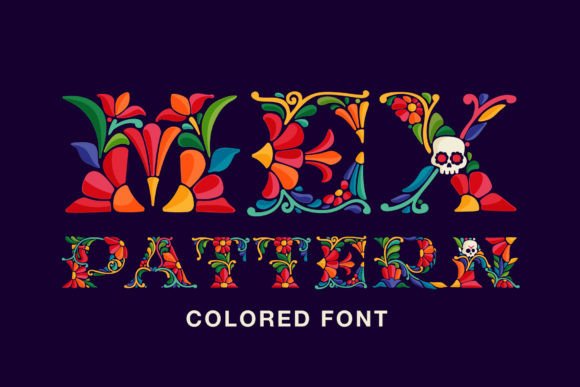
Embracing the Vibrant Legacy of the Mexican Pattern in Modern Design
The visual landscape of global design is often enriched by styles that tell a story of heritage, resilience, and joy. Among these, the Mexican Pattern stands out as a testament to a unique cultural fusion. It is not merely a decorative element; it is a narrative woven through bright colors, ornate details, and high-contrast compositions. For creators, business owners, and design enthusiasts, understanding the depth of this style offers more than just aesthetic inspiration—it provides a framework for creating work that resonates with life and energy.
The Historical Fusion Behind the Aesthetic
To truly appreciate the Mexican Pattern, one must look back at its origins. This distinctive style did not appear in a vacuum; it is the result of a profound meeting of worlds. When Spanish traditions collided with the deep-rooted heritage of the Aztec and Mayan civilizations, a new visual language was born. This was not a simple overlay of one culture upon another but a vibrant mingling that created something entirely new.
The indigenous peoples of Mexico had long utilized complex geometric shapes and symbolic imagery to represent their worldview. The arrival of the Spanish introduced new motifs, religious iconography, and artistic techniques. The resulting Mexican Pattern is a harmonious blend where pre-Columbian symbolism meets European baroque influences. This historical context is crucial for anyone looking to use these patterns authentically, as it grounds the design in a rich legacy of cultural exchange.
A Palette of Life and Contrast
Perhaps the most immediately recognizable feature of the Mexican Pattern is its fearless use of color. Unlike some design traditions that favor muted tones or monochromatic schemes, Mexican design embraces the spectrum with enthusiasm. The combination is necessarily high contrast, creating a visual vibration that captures the eye and holds attention.
Consider the classic pairings found in traditional textiles and tile work:
- Bright Blue and Terracotta: This pairing evokes the clear skies against the earthy ground, a fundamental connection to nature.
- Orange and Green: A lively combination that mirrors the blooming flora of the region, bringing a sense of growth and vitality.
- Pink and Yellow: Often seen in festive decorations, these colors celebrate joy and community gatherings.
These are not random choices. In the context of the Mexican Pattern, color serves as an emotional communicator. For a graphic designer or interior decorator, leveraging these specific contrasts can instantly infuse a project with warmth and approachability. However, it requires a delicate balance; the goal is to create harmony within the chaos of color, ensuring that no single hue overwhelms the composition unless intended for a specific focal point.
Symbols of Tradition: The Skull and Beyond
While the colorful geometry is striking, the Mexican Pattern is also famous for its symbolic imagery, most notably the skull. To the uninitiated, skulls might seem morbid, but within Mexican culture, they represent a special attitude towards life and death. This perspective is best exemplified during the Día de los Muertos (Day of the Dead), where death is not feared but celebrated as a natural part of the human journey.
When incorporating skull motifs into a Mexican Pattern, the execution is typically ornate and colorful, often adorned with floral elements and intricate line work. This transforms a symbol of mortality into a celebration of memory and continuity. For content creators and brand strategists, using these symbols requires sensitivity and understanding. It is not about appropriating a "spooky" aesthetic but rather honoring a philosophy that views existence as a cycle worth celebrating. When done correctly, these patterns add a layer of profound meaning to packaging, apparel, or digital media.
Practical Applications for Professionals
The versatility of the Mexican Pattern makes it a valuable asset across various industries. Its ability to convey warmth, tradition, and vibrancy allows it to adapt to numerous contexts. Here are several sectors where this style shines:
- Hospitality and Dining: Restaurants and cafes often utilize these patterns in tile work, menu designs, and wall murals to create an inviting atmosphere that suggests authentic flavors and communal dining.
- Fashion and Textiles: From summer dresses to scarves, the bold geometry and bright colors translate beautifully onto fabric, offering consumers a way to wear art that tells a story.
- Branding and Packaging: Artisanal products, particularly those related to food, beverages, or handcrafted goods, benefit from the trust and authenticity that a Mexican Pattern conveys. It signals quality and heritage.
- Digital Design: Web backgrounds, app interfaces, and social media graphics can utilize simplified versions of these patterns to break the monotony of flat design and add cultural richness.
Evaluating Suitability for Your Project
While the appeal of the Mexican Pattern is universal, it is not a one-size-fits-all solution. Before integrating these elements into a project, professionals should evaluate the specific needs of their audience and the message they wish to convey. The high-energy nature of the style means it may not be suitable for brands aiming for a minimalist, corporate, or somber tone.
Questions to consider include:
- Does the brand identity align with values of community, celebration, and heritage?
- Is the target audience receptive to bold, high-contrast visuals?
- Are we honoring the cultural significance of the symbols, such as the skull, or merely using them as decoration?
Answering these questions ensures that the use of the Mexican Pattern is respectful and effective. It moves the application from superficial decoration to meaningful design strategy.
Strengths and Considerations
The primary strength of the Mexican Pattern lies in its emotional impact. It commands attention and evokes feelings of happiness and nostalgia. In a crowded marketplace, this distinctiveness can be a powerful differentiator. Furthermore, the pattern's roots in both indigenous and colonial history give it a timeless quality that resists fleeting trends.
However, there are limitations to consider. The intensity of the colors and the complexity of the ornate details can sometimes lead to visual fatigue if overused. In digital environments, for instance, a full-screen background of a dense Mexican Pattern might make text difficult to read. Designers must learn to use whitespace effectively, perhaps isolating the pattern in borders, headers, or accent pieces rather than saturating the entire canvas.
Additionally, cultural sensitivity is paramount. As globalization increases, so does the risk of cultural appropriation. Professionals must strive to understand the origins of the motifs they use. Collaborating with Mexican artists or sourcing authentic designs can ensure that the usage supports the communities from which the style originates.
Real-World Scenarios of Success
Imagine a local coffee shop looking to rebrand. By adopting a Mexican Pattern featuring bright blue and terracotta tiles for their counter and using stylized floral skulls on their cup sleeves, they create an experience that feels both artisanal and welcoming. Customers do not just buy coffee; they buy into an atmosphere of warmth and tradition.
Similarly, a tech startup focusing on community building might use a simplified, vector-based version of the Mexican Pattern in their onboarding screens. The orange and green palette could signify growth and connection, subtly reinforcing their mission statement without using words.
In the world of e-commerce, a seller of handmade soaps could wrap their products in paper printed with traditional geometric Mexican Pattern designs. This not only protects the product but elevates it to the status of a gift, justifying a higher price point through perceived value and aesthetic appeal.
Conclusion: A Timeless Source of Inspiration
The Mexican Pattern is more than a collection of shapes and colors; it is a living history of cultural synthesis. From the fusion of Aztec, Mayan, and Spanish traditions to the modern interpretations seen in fashion and digital media, it remains a potent tool for expression. Its bright, rich colors and high-contrast combinations offer a remedy to the blandness that can sometimes plague modern design.
For those willing to explore its depths, the rewards are significant. Whether you are a business owner looking to refresh your brand, a designer seeking new textures, or a creator wanting to tell a deeper story, the Mexican Pattern offers a pathway to connect with audiences on an emotional level. By approaching this style with respect, understanding, and creativity, we can keep this vibrant tradition alive and relevant in our contemporary world. To learn more about integrating cultural designs ethically, consider visiting resources on cultural heritage in design or exploring portfolios of contemporary Mexican artists.