Secret History Font: A Medieval Gothic Design Tool
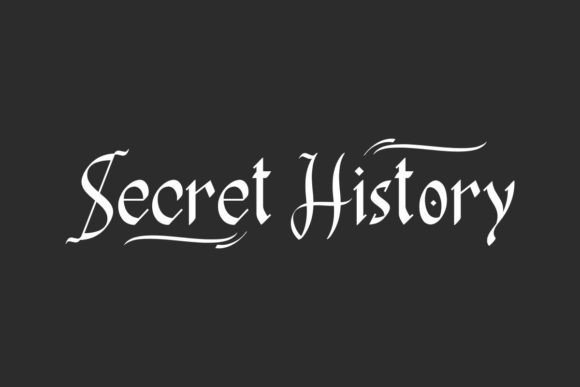
Imagine a typeface that whispers tales of ancient European courts while simultaneously echoing the intricate calligraphy of the Middle East. This is the essence of Secret History, a unique medieval gothic font that defies simple categorization. Inspired by the atmospheric visuals of classic movies and immersive video games, this font bridges cultural aesthetics to create something entirely new. It possesses a classic European structure but integrates an Arabic-influenced style, resulting in a visual texture that feels both familiar and exotic. For designers, marketers, and creators, understanding how to leverage such a distinctive tool can transform a standard project into a memorable brand experience.
The appeal of Secret History lies in its versatility. While many gothic fonts feel rigid or overly aggressive, this typeface offers a fluidity that makes it suitable for a surprisingly wide range of industries. From the delicate packaging of handmade soaps to the bold posters of a music festival, the font adapts to the context without losing its character. However, different users will approach this resource with vastly different priorities. What matters most to a hobbyist crafting gift tags may differ significantly from the concerns of a professional branding agency.
Why Creators Are Drawn to This Aesthetic
For creators and artists, the primary draw is often the emotional resonance of the typography. In a digital landscape saturated with clean, sans-serif minimalism, there is a growing hunger for designs that feel handcrafted and storied. Secret History satisfies this need by offering a look that suggests age, mystery, and craftsmanship. A graphic designer working on a movie poster for a fantasy film might choose this font because it instantly establishes a setting before a single frame is watched. Similarly, a musician releasing an album rooted in folk traditions could use it to visually communicate the genre's depth.
The "Arabic-influenced" aspect of the font adds a layer of sophistication that pure blackletter styles often lack. This hybrid quality allows creators to explore themes of trade routes, ancient manuscripts, or mystical encounters. It is not just about making text legible; it is about using typography to tell a story. When a viewer sees this font, they subconsciously prepare themselves for content that is rich in narrative and detail.
Practical Applications for Small Business Owners
Small business owners and entrepreneurs often evaluate tools based on their ability to differentiate a brand in a crowded market. For a café owner aiming to create a cozy, old-world atmosphere, or a boutique selling antique accessories, Secret History provides an immediate visual cue of quality and tradition. Unlike generic fonts found in standard word processors, this typeface signals that the business pays attention to details.
Consider a small shop specializing in handicrafts. Using this font on product labels or gift wrapping can elevate the perceived value of the items. It suggests that the products inside are not mass-produced but are instead part of a lineage of craft. However, business owners must also consider readability. While the font is stunning for headlines, logos, and short captions, it may not be the best choice for long blocks of instructional text or menus where speed of reading is paramount. The key is strategic placement: use it where you want to pause the customer and invite them to look closer.
Evaluating the Font Based on Your Role
Different professionals will weigh the features of Secret History differently depending on their specific goals:
- Beginners and Hobbyists: For those just starting out, ease of use and inspiration are top priorities. This font serves as a great learning tool for understanding how typography affects mood. A hobbyist organizing a local magic show or a community festival can use pre-made templates featuring this font to achieve a professional look without needing advanced design skills.
- Professional Designers: Experienced users often prioritize flexibility and licensing. They will examine the glyph set to ensure it supports the necessary characters for their projects. They might appreciate the unique ligatures or alternate characters that allow for custom logotypes. For them, the value lies in the font's ability to be manipulated and integrated into complex layouts without losing its integrity.
- Educators and Publishers: Those in education or publishing might look at the historical accuracy or the stylistic representation. While Secret History is stylized rather than historically precise, it can be an excellent resource for teaching students about the evolution of script or for illustrating books that require a specific period feel without sacrificing modern legibility.
- Marketers: The focus here is on conversion and brand recall. Marketers will test how this font performs in advertising campaigns for events or fashion lines. Does it grab attention? Does it align with the target demographic's expectations? The unique blend of styles can make ad creatives stand out in social media feeds where users scroll quickly.
Balancing Style with Functionality
One of the most critical aspects of adopting a distinctive font like Secret History is understanding its limitations alongside its strengths. The intricate details that make it beautiful can become noise if used at too small a size or on low-resolution screens. Freelancers and web designers must ensure that when this font is used digitally, it remains crisp and readable across various devices.
Furthermore, the context of the industry matters. While it is perfect for antiques, festivals, and music, it might feel out of place for a tech startup or a medical clinic unless used ironically or in a very specific niche campaign. The decision to use this font should always stem from the project's core message. If the goal is to evoke mystery, tradition, or artistic flair, Secret History is a powerful ally. If the goal is purely utilitarian communication, a simpler typeface might serve better.
Making the Right Choice for Your Project
Ultimately, the value of Secret History is determined by how well it aligns with your specific needs. Before integrating it into your workflow, ask yourself what you hope to achieve. Are you looking to add a touch of elegance to a wedding invitation? Do you need a headline font that captures the spirit of a Renaissance fair? Or are you trying to build a brand identity that feels timeless?
For consumers browsing for design elements, the excitement comes from the potential transformation of their personal projects. Whether it is labeling homemade jams or creating a family tree display, the font offers a way to inject personality into everyday items. For professionals, it represents a specialized asset in their toolkit, ready to be deployed when a client demands something beyond the ordinary.
In a world where visual content is consumed faster than ever, having a typeface that commands attention and tells a story is invaluable. Secret History offers that rare combination of historical weight and artistic freedom. By understanding its unique characteristics and matching them to the right audience and application, you can unlock its full potential. Whether you are a seasoned designer or a passionate hobbyist, this font invites you to explore the intersection of cultures and eras, adding a layer of depth to your work that resonates with viewers on a subconscious level.